
Ageing in Place Is About More Than Staying in Your House
Home, Health & Belonging — A Healthcare Perspective on Ageing in Place - by Leo de Godoi
A person can live in the same house for decades and still find that something important has changed.
Perhaps they no longer see friends as often because getting around the neighbourhood has become difficult. Perhaps they need assistance with certain activities but continue making their own decisions. Or perhaps their home still supports everything they enjoy, without any need for significant changes.
These experiences raise an important question: Is ageing in place simply about remaining in your house, or is it about continuing to live the life you want?
From a healthcare perspective, the answer goes beyond the building. It includes health, independence, autonomy, relationships, meaningful activities and the sense of belonging that makes a place feel like home.
What Does Ageing in Place Actually Mean?
Ageing in place means having the supports and services needed to live safely and independently at home or in the community for as long as a person wishes and is able.
That understanding comes from the Government of Canada's Thinking About Aging in Place guidance.
An important part of this definition is sometimes overlooked: ageing in place is not exclusively about the physical house.
It also involves healthcare, social supports, community services and the person's own preferences.
A home may remain familiar and comfortable, but that does not automatically mean every aspect of someone's life is being supported.
Can they maintain relationships? Participate in activities they enjoy? Access necessary services? Make decisions about their daily routines?
These questions help us understand the difference between living at an address and living meaningfully at home.
Staying at Home and Living Well at Home Are Not Always the Same
Imagine someone who manages their household activities independently but has gradually stopped attending community events because transportation has become difficult.
Inside the house, everyday life may appear manageable. Outside it, an important part of that person's social life has changed.
This is a hypothetical example, but it illustrates why looking only at the physical home can give us an incomplete picture.
Someone may have a comfortable, accessible residence and still experience barriers to participating in activities that matter to them.
Another person may need regular assistance yet remain socially active, involved in family decisions and satisfied with their daily life.
Neither situation can be understood through the condition of the house alone.
The World Health Organization's approach to healthy ageing helps explain why. It considers functional ability in relation to both a person's physical and mental capacities and the environment in which they live.
That environment includes more than rooms, stairs and doorways. It also includes social relationships, services and broader community conditions.
Living well at home depends on the relationship between the person and their environment, not simply the condition of either one.
Independence Does Not Mean Doing Everything Alone
One of the most important distinctions in ageing-in-place conversations is the difference between independence and autonomy.
Independence often describes someone's ability to carry out activities without assistance.
Autonomy concerns their ability to make choices about their own life.
A person may need help with grocery shopping, transportation or household maintenance while continuing to decide how they want to spend their time, what matters to them and which forms of support they are comfortable accepting.
Receiving help does not automatically mean losing control.
In some situations, assistance can make greater independence possible in other areas. Reliable transportation, for example, may allow someone to continue volunteering, attending social activities or visiting friends.
The way assistance is offered matters just as much as the assistance itself.
Family members and caregivers may understandably worry about safety. However, taking over activities without first discussing the person's wishes can unnecessarily limit their autonomy.
A more respectful starting point is to ask what the person wants to continue doing, what assistance they would welcome and which decisions they want to make themselves.
Support should help someone participate in their own life, not make them a passive recipient of decisions made by others.
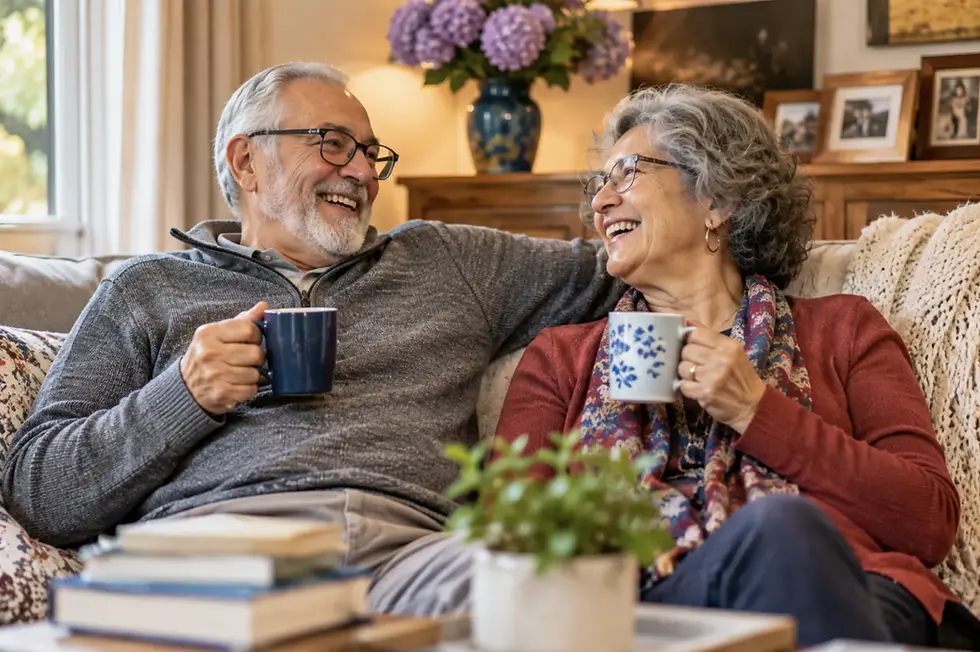
Everyday Activities Tell Us More Than a Medical Diagnosis
Medical conditions and physical abilities are important considerations, but they do not tell us everything about someone's experience at home.
Consider what makes up an ordinary day.
Preparing a favourite meal. Caring for a pet. Spending time in the garden. Attending a cultural or religious gathering. Meeting friends for coffee. Visiting grandchildren. Volunteering in the neighbourhood.
These activities may seem ordinary, but they often contribute significantly to how someone experiences independence, identity and quality of life.
Two people with similar health conditions may have very different experiences of living at home.
One may have accessible transportation, nearby services and a reliable support network. Another may face financial barriers, limited transportation or difficulty accessing community resources.
Their priorities may differ as well.
The question is not simply whether someone can perform a particular activity. It is also whether they can continue participating in the activities that matter to them.
Home Is Connected to Identity and Belonging
A house can hold decades of memories, routines and relationships.
It may be where someone raised a family, celebrated important occasions, welcomed friends or developed traditions that continue to shape everyday life.
These experiences can make home an important part of personal identity.
But belonging is not limited to the walls of a house.
It may also come from familiar neighbours, friendships, community organizations, cultural traditions, places of worship or activities that provide opportunities to contribute.
Someone might feel deeply connected to their neighbourhood because they know the local shopkeepers, attend a weekly gathering or have friendships built over many years.
The Government of Canada's ageing-in-place guidance recognizes social connection and community participation as important considerations for well-being.
This is why physical safety, although important, cannot be the only measure of whether a living arrangement is working.
A person may feel physically comfortable at home while becoming disconnected from the relationships and activities that give their days meaning.
When considering ageing in place, we should ask not only whether someone can remain at home, but also whether they can continue feeling part of the world around them.

There Is No Typical Experience of Ageing at Home
People do not experience ageing in the same way.
Age alone does not tell us what someone can do, what support they need or what kind of living arrangement they prefer.
Health, disability, financial resources, culture, language, family structure, housing circumstances and access to services can all influence someone's options.
For some, family members are nearby and available to help. Others rely on friends, chosen family, community organizations or formal services.
A homeowner may have options that are unavailable to someone renting. A person living near public transportation may experience different opportunities from someone whose community offers few accessible transportation choices.
These differences matter because advice that seems practical for one person may not be realistic for another.
Person-centred thinking begins by recognizing those differences rather than assuming that everyone of a similar age needs the same solution.
It asks us to understand the person's circumstances before deciding what support may be appropriate.
The Home Environment Matters, but It Is Only Part of the Picture
The physical home can support everyday life, and sometimes it can create barriers.
A familiar layout may make daily routines comfortable and predictable. At another point in life, changes in mobility, stamina or other circumstances may affect how easily someone uses the same spaces.
That does not mean every change in health requires a renovation.
Before considering changes to the house, we should understand what the person is trying to accomplish, what has become difficult and what remains manageable.
Is the challenge related to the physical environment? Is additional support needed? Could a different routine help? Would assessment by an appropriate healthcare or rehabilitation professional be useful?
Sometimes several factors interact.
This is where healthcare-informed thinking and residential expertise can complement each other without becoming the same profession.
The healthcare perspective helps explain how a person experiences everyday activities, independence and participation. Residential professionals can assess the physical property and determine what changes may be feasible when the home itself is contributing to a barrier.
For homeowners considering that next step, Victorian Reno's ageing-in-place renovation information offers the complementary residential perspective.
The important point is that a renovation should respond to an understood need, rather than being treated as the automatic starting point.

Is Staying in the Same House Always the Right Choice?
Not necessarily.
For some people, remaining in a familiar house is deeply important to their identity, relationships and sense of belonging.
For others, moving to a different home or community may offer better access to services, transportation, social opportunities or a living environment that suits their preferences.
Neither decision should automatically be considered a success or failure.
The Government of Canada's guidance encourages people to consider alternative housing options when their current home no longer meets their needs.
This introduces a broader way of thinking: ageing in the right place.
Rather than measuring success by how long someone stays at one address, we can consider whether their living arrangement supports their health, autonomy, relationships and quality of life.
The right place may be the home someone has lived in for decades. It may also be somewhere new.
What matters is that the person's preferences remain central and that decisions are informed by their circumstances and available options.
Where Do We Go From Here?
Before asking what changes a house might need, consider a more personal question:
What kind of life do I want to continue living, and what will help me do that?
The answer may involve maintaining relationships, continuing meaningful activities, accessing services, accepting practical assistance or reconsidering aspects of the living environment.
For someone else, no significant changes may be necessary.
Ageing in place is not one standard plan applied to every older adult. It is an ongoing conversation about the relationship between people, their circumstances and the places where they live.
As we explore health, safety, recovery, independence and belonging throughout this series, that relationship will remain central.
When physical changes to a home become part of that conversation, qualified residential professionals can help explore what may be appropriate. But the first step remains understanding the person.
Ageing in place is not only about staying in your house. It is about continuing to live your life.

Leo De Godoi is an Internationally Educated Nurse and Healthcare Operations professional based in Ontario. He is currently completing an Ontario nursing reinstatement program, building on clinical and healthcare experience across Canada, the United States and Brazil. His background spans clinical care, healthcare operations, leadership, patient experience and program coordination, with professional interests in patient safety, quality improvement, accessibility, health equity and person-centred care. Through his writing, Leo explores how health and the environments in which we live can support independence, dignity and belonging throughout life. In Home, Health & Belonging, he brings a healthcare perspective to conversations about ageing in place.

Comments